What is SMO?
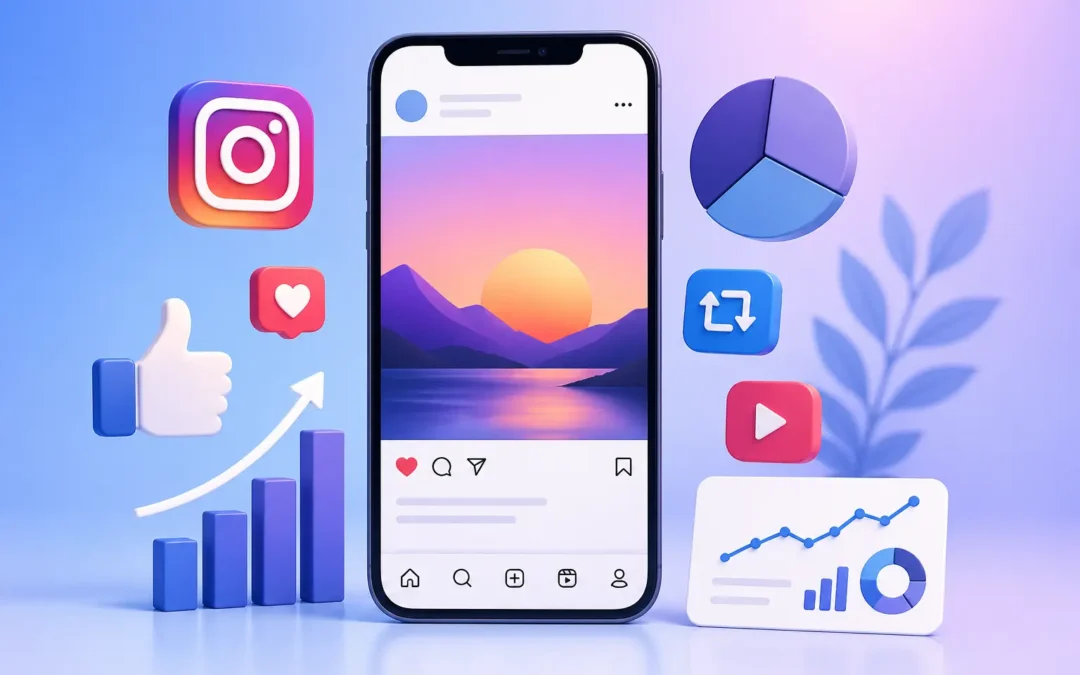
Social Media Optimization (SMO) is the process of improving your social media presence to increase brand awareness, engagement, and traffic through content, strategy, and analytics.
Introduction to Social Media Optimization (SMO)
1. What is SMO?
SMO is optimizing social media profiles and content to increase visibility and engagement.
2. Why is SMO important?
It helps build brand awareness, drive traffic, and improve customer engagement.
3. What are key social media platforms?
Facebook, Instagram, LinkedIn, Twitter (X), YouTube, Pinterest.
4. Difference between SEO and SMO?
SEO focuses on search engines; SMO focuses on social media platforms.
5. What is social media engagement?
Likes, shares, comments, saves, and interactions.
6. What is a hashtag?
A keyword preceded by # used to categorize content.
7. What is reach?
Number of unique users who see your content.
8. What is impression?
Total number of times content is displayed.
9. What is CTR?
Click-through rate = clicks ÷ impressions.
10. What is content strategy?
Planning content to achieve business goals.
11. What is branding in SMO?
Creating a consistent identity across platforms.
12. What is a social media calendar?
A schedule for posting content.
13. What is organic reach?
Free reach without paid promotion.
14. What is paid promotion?
Boosting posts using ads.
15. What is audience targeting?
Selecting a specific group based on demographics/interests.
16. What is user-generated content?
Content created by users about your brand.
17. What is influencer marketing?
Collaborating with influencers to promote products.
18. What is a CTA?
Call-to-action (e.g., “Buy Now”, “Learn More”).
19. What is social media analytics?
Tracking performance using metrics.
20. What is engagement rate?
Engagement ÷ total followers × 100.
21. What is social media algorithm?
Rules that decide what content users see.
22. What is a viral post?
Content that spreads rapidly.
23. What is brand voice?
Tone and personality of communication.
24. What is content curation?
Sharing relevant content from other sources.
25. What is social listening?
Monitoring conversations about your brand.
Frequently Asked (SMO) Questions
26. How do you increase followers?
Consistent posting, quality content, engagement.
27. Best time to post?
Depends on audience behavior; usually evenings or weekends.
28. What is A/B testing?
Testing two versions to see which performs better.
29. What is conversion?
When a user completes a desired action.
30. What is bounce rate?
Users leaving after viewing one page.
31. What is storytelling in SMO?
Using narratives to connect emotionally.
32. What are social media KPIs?
Metrics like reach, engagement, conversions.
33. What is a content funnel?
Awareness → Interest → Decision → Action.
34. What is retargeting?
Showing ads to users who visited your site.
35. What is engagement bait?
Content designed to force interaction.
36. What is social proof?
Reviews, testimonials, user content.
37. What is brand awareness?
How familiar users are with your brand.
38. What is competitor analysis?
Studying competitors’ strategies.
39. What is organic vs paid traffic?
Free vs paid audience reach.
40. What is CPC?
Cost per click.
41. What is CPM?
Cost per 1000 impressions.
42. What is ROI?
Return on investment.
43. What is influencer ROI?
Return from influencer campaigns.
44. What is video marketing?
Using videos to promote products/services.
45. What is live streaming?
Real-time video broadcasting.
46. What is carousel post?
Multiple images/videos in one post.
47. What is reels/shorts strategy?
Short-form video content for engagement.
48. What is shadow banning?
Reduced visibility due to rule violations.
49. What is content repurposing?
Reusing content in different formats.
50. What is engagement timing?
Posting when audience is active.
51. What is social media audit?
Analyzing current performance.
52. What is influencer tier?
Nano, micro, macro influencers.
53. What is niche marketing?
Targeting a specific audience.
54. What is social bookmarking?
Saving and sharing links online.
55. What is brand consistency?
Uniform look and messaging.
56. What is negative feedback?
Complaints or criticism.
57. How to handle negative comments?
Respond politely and resolve issues.
58. What is content virality factor?
Emotion, timing, relatability.
59. What is growth hacking?
Rapid experimentation for growth.
60. What tools are used in SMO?
Hootsuite, Buffer, Canva, Meta Business Suite.
61. How does algorithm ranking work?
Based on engagement, relevance, and recency.
62. What is predictive analytics?
Forecasting trends using data.
63. What is social commerce?
Selling products via social platforms.
64. What is pixel tracking?
Tracking user behavior via code.
65. What is attribution model?
Tracking conversion sources.
66. What is omnichannel marketing?
Using multiple channels together.
67. What is brand sentiment analysis?
Measuring public opinion.
68. What is influencer fraud?
Fake followers or engagement.
69. What is dark social?
Private sharing (WhatsApp, DM).
70. What is content personalization?
Tailoring content to users.
71. What is AI in SMO?
Automation and data analysis.
72. What is chatbot marketing?
Automated conversation tools.
73. What is social media crisis management?
Handling negative publicity.
74. What is community management?
Engaging and managing audience.
75. What is funnel optimization?
Improving conversion steps.
76. What is retention strategy?
Keeping existing users engaged.
77. What is viral coefficient?
Users inviting more users.
78. What is influencer outreach?
Connecting with influencers.
79. What is content lifecycle?
Planning → Publishing → Analyzing.
80. What is remarketing?
Targeting previous users again.
81. What is engagement decay?
Decrease in interaction over time.
82. What is brand recall?
Ability to remember a brand.
83. What is micro-content?
Short, quick-consumption content.
84. What is UTM tracking?
Tracking URLs with parameters.
85. What is performance marketing?
Data-driven marketing approach.
86. What is storytelling funnel?
Narrative-based conversion strategy.
87. What is influencer collaboration strategy?
Partnering for campaigns.
88. What is content frequency?
How often you post.
89. What is platform-specific strategy?
Customizing content per platform.
90. What is audience segmentation?
Dividing audience into groups.
91. What is social ROI measurement?
Tracking revenue from social media.
92. What is heatmap analysis?
Visualizing user interaction.
93. What is engagement loop?
Continuous interaction cycle.
94. What is brand advocacy?
Customers promoting your brand.
95. What is social media funnel leakage?
Drop-offs in conversion stages.
96. What is cross-platform marketing?
Using multiple platforms together.
97. What is trend jacking?
Using trending topics for visibility.
98. What is social media automation?
Scheduling and auto-posting tools.
99. What is ethical marketing?
Honest and transparent promotion.
100. What is future of SMO?
AI-driven, personalized, video-focused marketing.